
Number Patterns
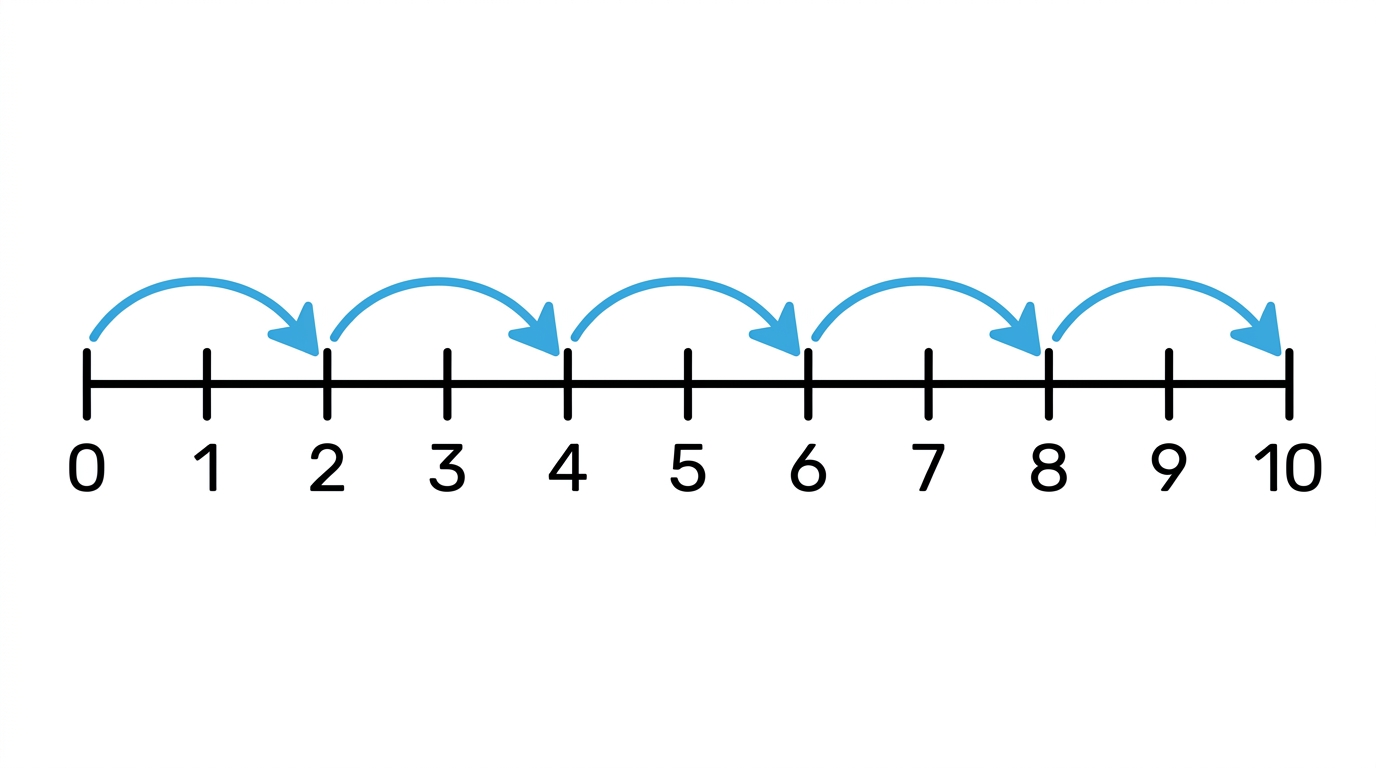
Counting by Twos
Skip counting makes math faster
Number patterns grow by adding the same amount each time. Counting by twos gives us the sequence 2, 4, 6, 8...
Key Points
- Starts at 2 and adds 2 each time
- Generates even numbers
- Helps in quick counting of pairs
- Forms an ascending sequence
Olympiad Fact
Even numbers always end in 0, 2, 4, 6, or 8, no matter how large the number is!
Growing by Fives and Tens
Counting fingers and toes
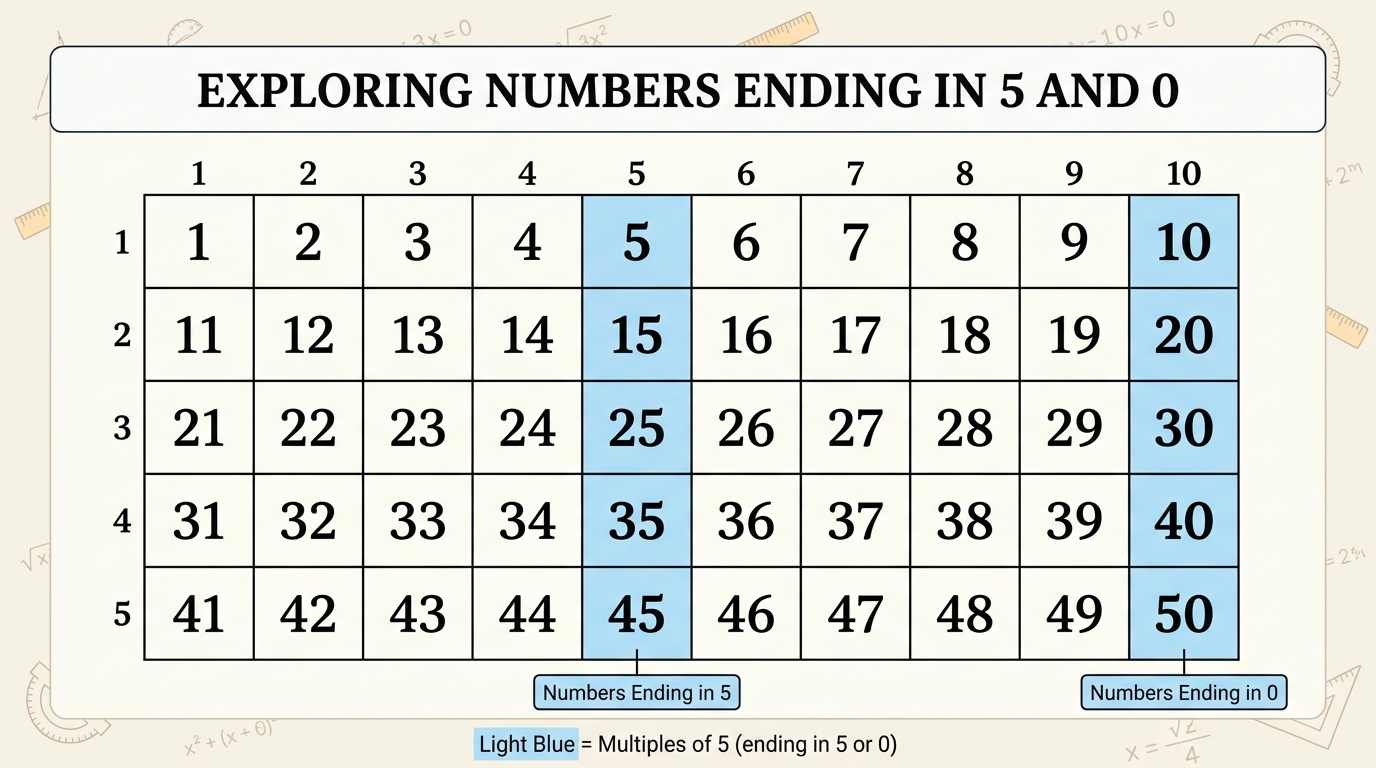
Patterns that increase by adding 5 or 10 every step help us count large quantities very quickly.
Key Points
- Fives sequence: 5, 10, 15, 20...
- Tens sequence: 10, 20, 30, 40...
- Fives always end in 5 or 0
- Tens always end in 0
Olympiad Fact
Our base-10 number system comes from the fact that humans have 10 fingers to count on!
Decreasing Number Patterns
Counting backward in steps
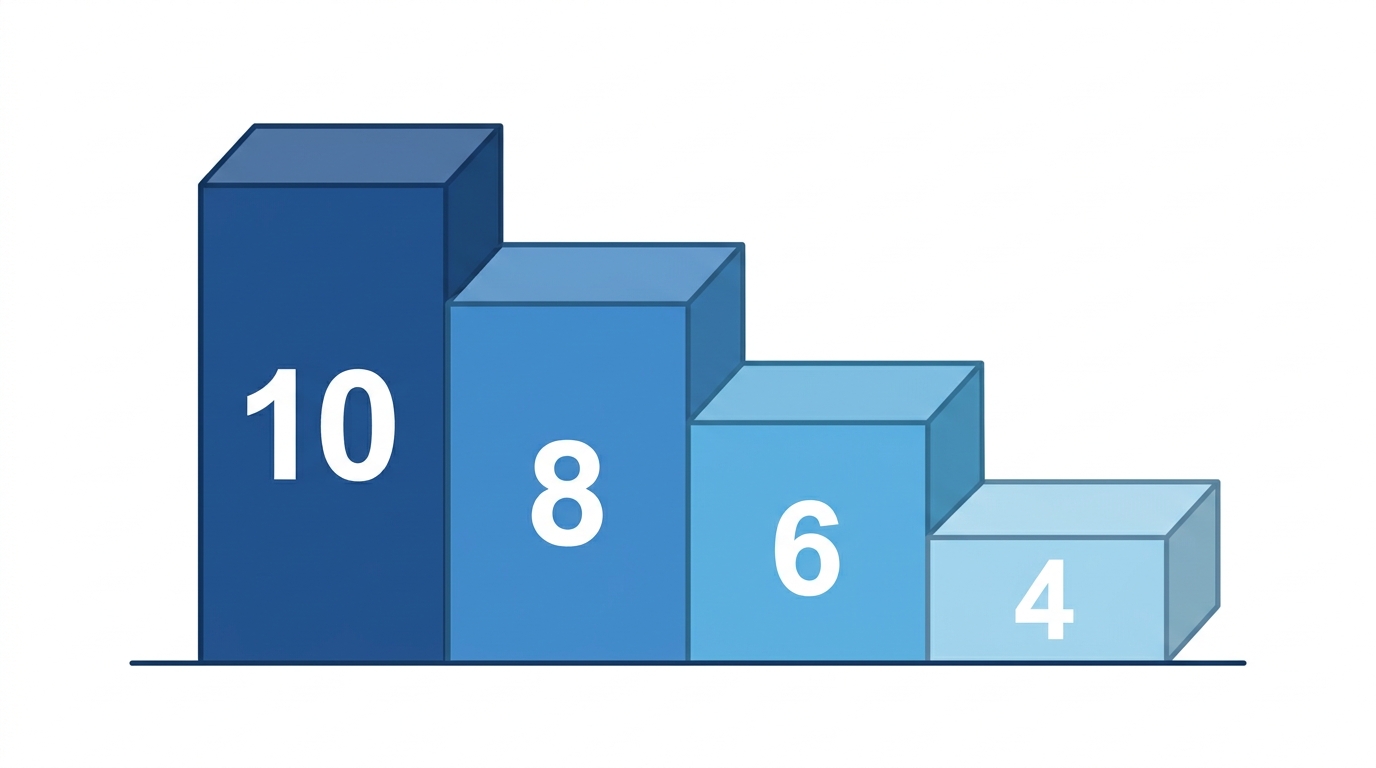
Not all number patterns grow larger. Some patterns decrease by subtracting the same number each time.
Key Points
- Numbers get smaller step by step
- Uses subtraction instead of addition
- Example: 20, 18, 16, 14 (subtracting 2)
- Like a rocket launch countdown
Olympiad Fact
Backward number patterns are used in computer science to create countdown timers in video games.
Finding the Rule
What's the secret rule?
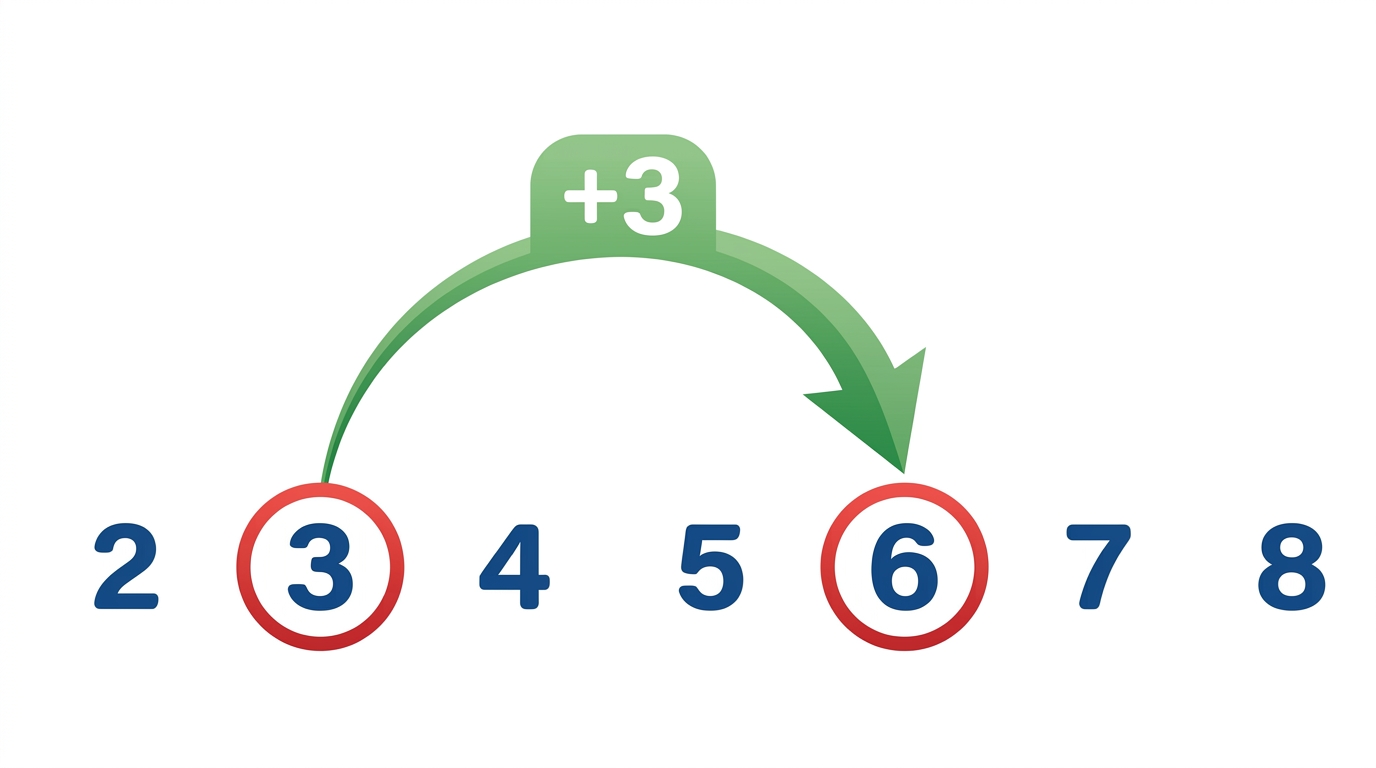
To solve a number pattern puzzle, find the difference between two neighboring numbers to discover the secret rule.
Key Points
- Compare the first two numbers
- Check if it's increasing or decreasing
- Find the exact gap amount
- Test the rule on the rest of the sequence
Olympiad Fact
Detectives and cryptographers use number pattern rules to crack secret agent codes!
Swipe to skip‹