
Types of Magnets
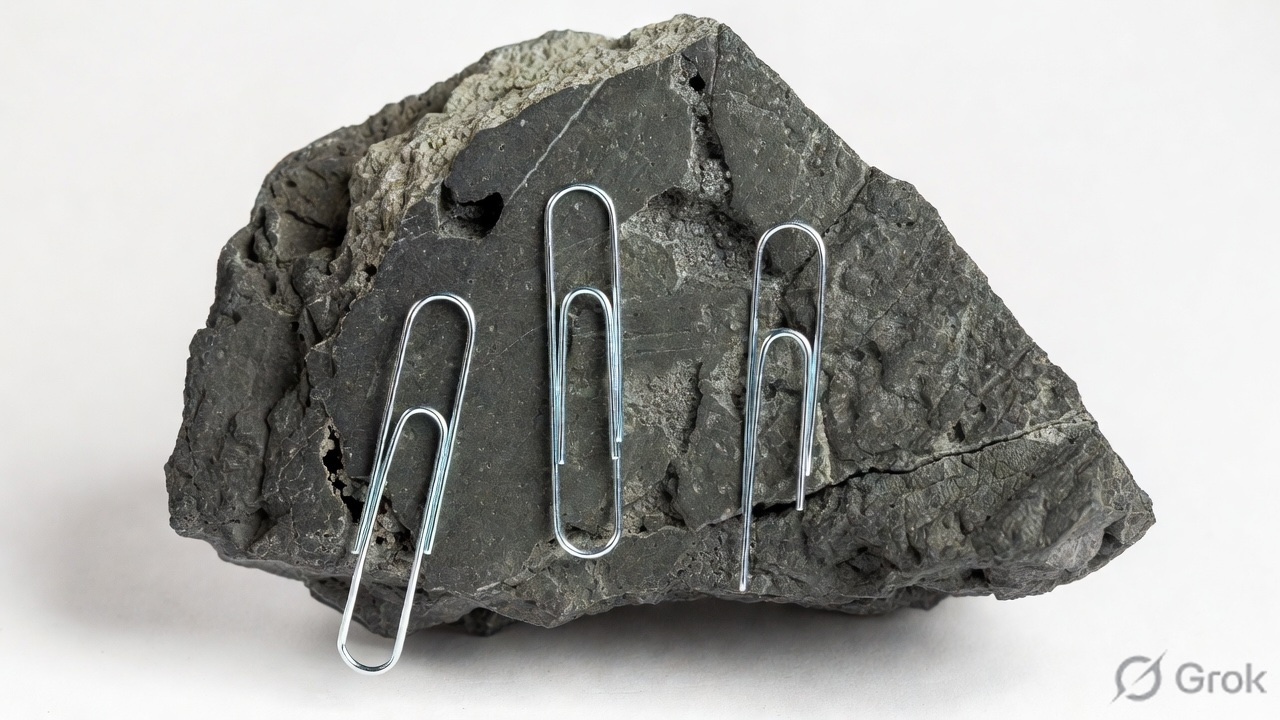
Natural Magnets
Formed by nature.
Natural magnets are magnetic rocks found in nature without human processing. They have irregular shapes and a relatively weak magnetic pull.
Key Points
- Example: Magnetite (also called Lodestone), an iron oxide ore.
- Found naturally in Earth's crust with rough, irregular shapes.
- Retain their magnetism permanently under normal conditions.
- Too weak and unevenly shaped for use in modern machines.
Olympiad Fact
Although natural magnets are permanent magnets, modern machines use artificial magnets because natural rocks have very low magnetic strength.
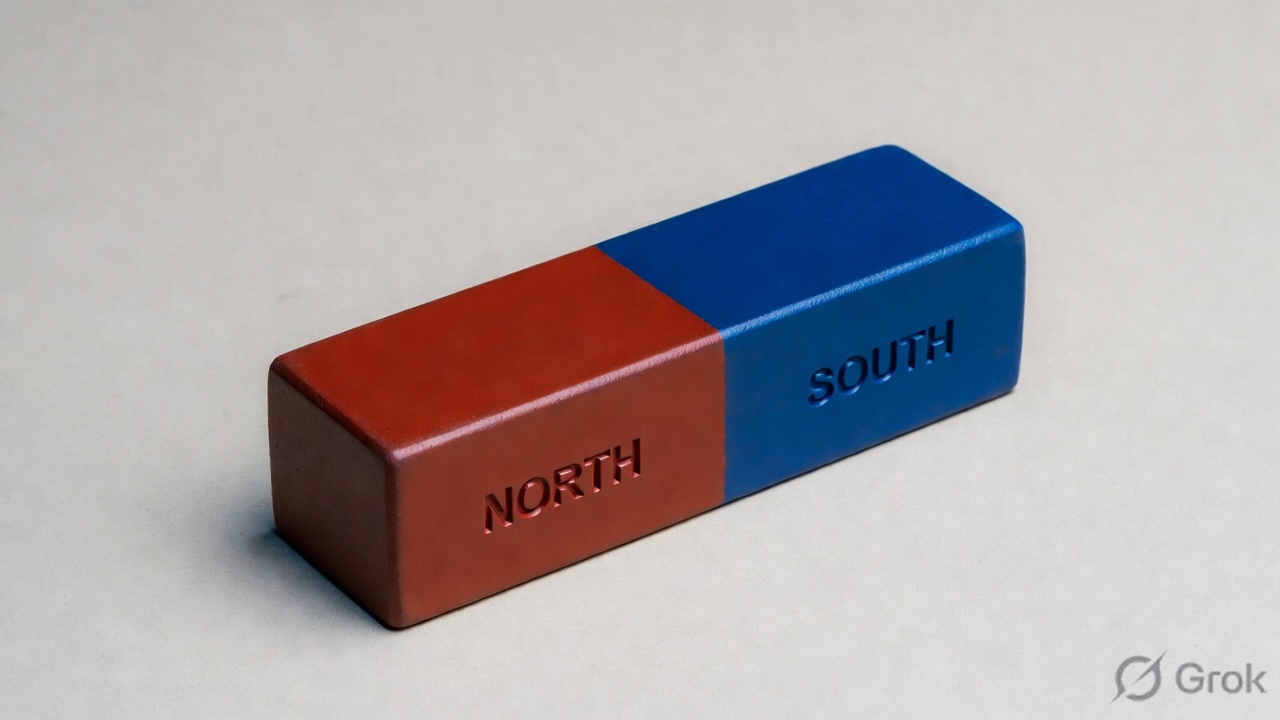
Artificial Magnets
Man-made power.
Artificial magnets are made by humans from magnetic metals like iron, steel, nickel, and cobalt. They are much stronger than natural magnets and come in many shapes.
Key Points
- Molded into useful shapes like bars, horseshoes, rings, and discs.
- Much stronger and more uniform than natural lodestone rocks.
- Hard steel and Alnico are used to make permanent magnets.
- Soft iron is used to make temporary magnets.
Olympiad Fact
Neodymium magnets (made of neodymium, iron, and boron) are the strongest permanent artificial magnets in the world today!
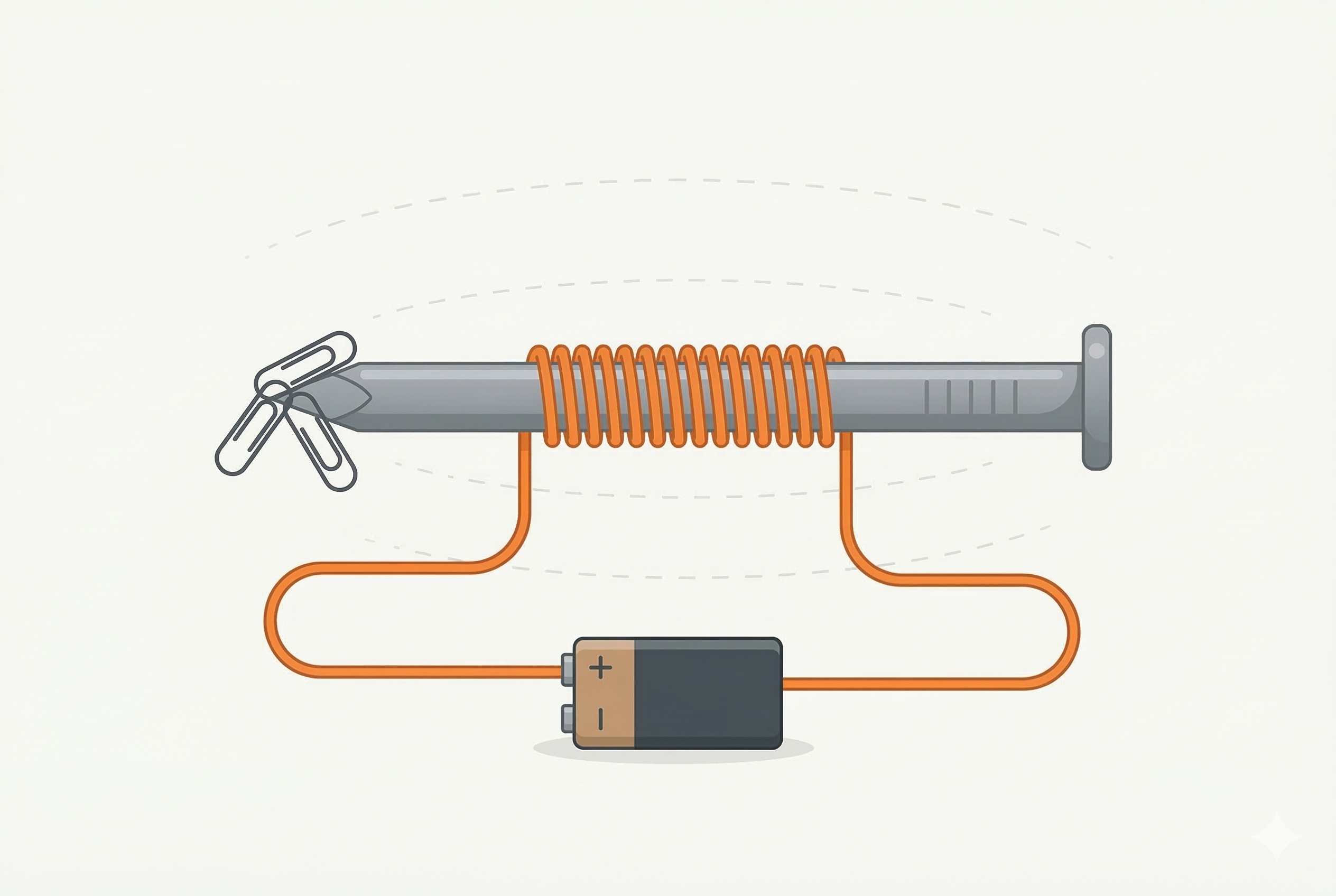
Electromagnets
Electricity turns them on.
An electromagnet is a temporary magnet made by wrapping a coil of insulated wire around a soft iron core. It acts as a magnet only while electric current flows through the wire.
Key Points
- Magnetism can be switched ON or OFF using electric current.
- Adding more wire turns or increasing current makes it stronger.
- Uses a soft iron core because it loses magnetism as soon as turned off.
- Used in scrapyard cranes, electric bells, and hospital MRI machines.
Olympiad Fact
Reversing the direction of electric current in an electromagnet immediately reverses its North and South poles!
Swipe to skip‹