
Discovery of Magnets
The Legend of Magnes
A shepherd's curious find.
Around 4,000 years ago, a Greek shepherd named Magnes was herding sheep in Magnesia. He noticed that the iron tip of his staff and the nails in his sandals stuck to a black rock.

Key Points
- Happened in the rocky region of Magnesia in northern Greece.
- Iron nails in his sandals and staff tip stuck to the black rock.
- Led to the discovery of naturally occurring magnetic rocks.
- These magnetic stones were later named 'Magnetite' in his honor.
Olympiad Fact
The word 'Magnet' comes from Magnesia, the ancient Greek region where natural magnetite rocks were first discovered.
Magnetite Ore
Nature's magnetic rock.
The black rocks Magnes found are called Magnetite. It is a natural iron ore () found in Earth's crust that naturally attracts small pieces of iron.
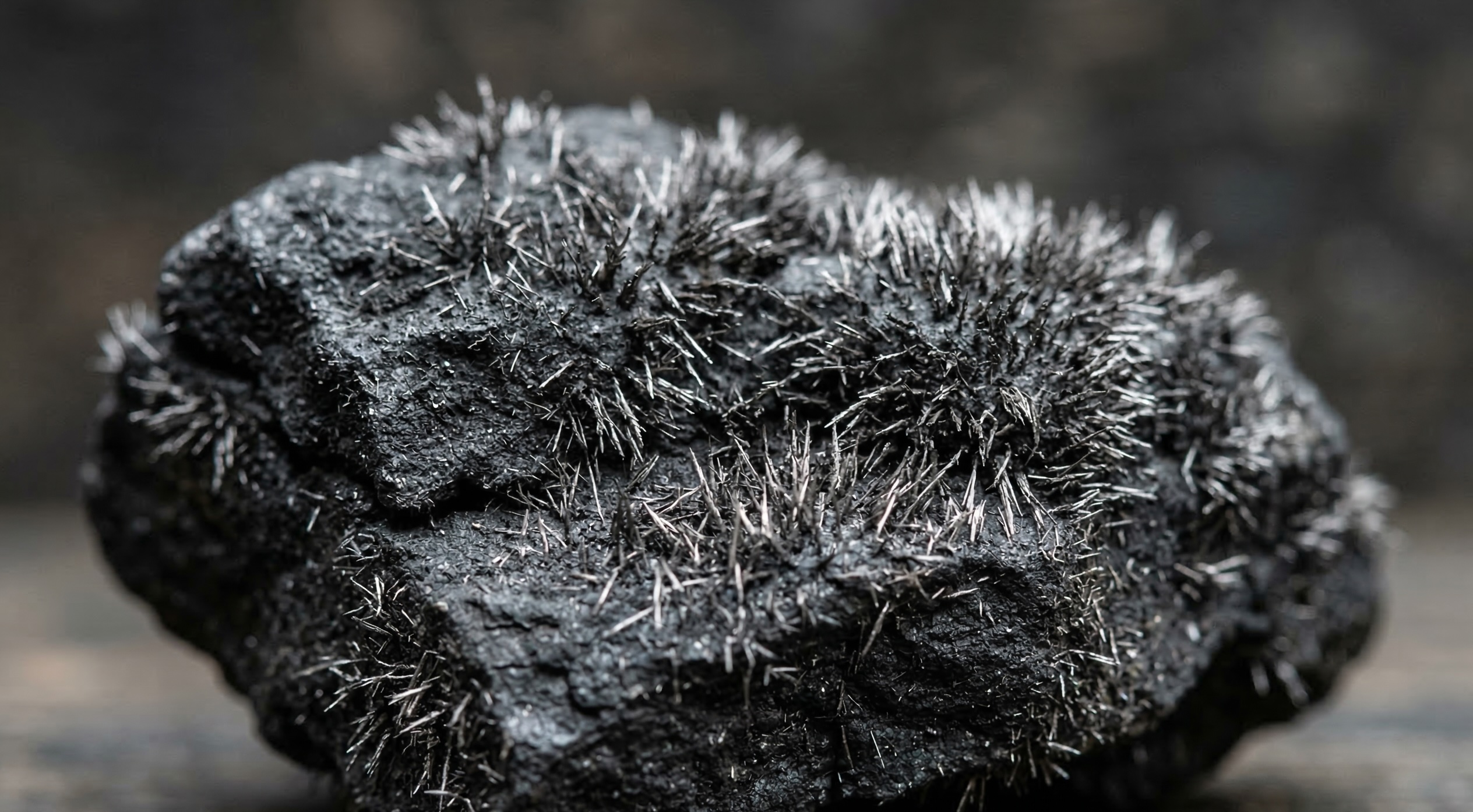
Key Points
- The only natural mineral rock that acts as a permanent magnet.
- Rich in iron oxide with the chemical formula .
- Attracts iron filings, pins, and nails without human treatment.
- Dark black or brownish-black rock with a metallic shine.
Olympiad Fact
Magnetite is the most strongly magnetic naturally occurring mineral found anywhere on Earth.
The Lodestone
The leading stone.
Ancient travelers discovered that a freely suspended piece of magnetite always points North-South. They called it 'Lodestone' (meaning 'leading stone') and used it for navigation.

Key Points
- Old English word meaning 'way-stone' or 'leading stone'.
- Always aligns itself in the geographic North-South direction.
- Used by ancient Chinese and Greek sailors to navigate at sea.
- Served as the world's very first natural magnetic compass.
Olympiad Fact
Early mariners rubbed ordinary iron needles against a lodestone in one direction to make their own compass needles.
Swipe to skip‹