
Solar System
The Sun: Our Center
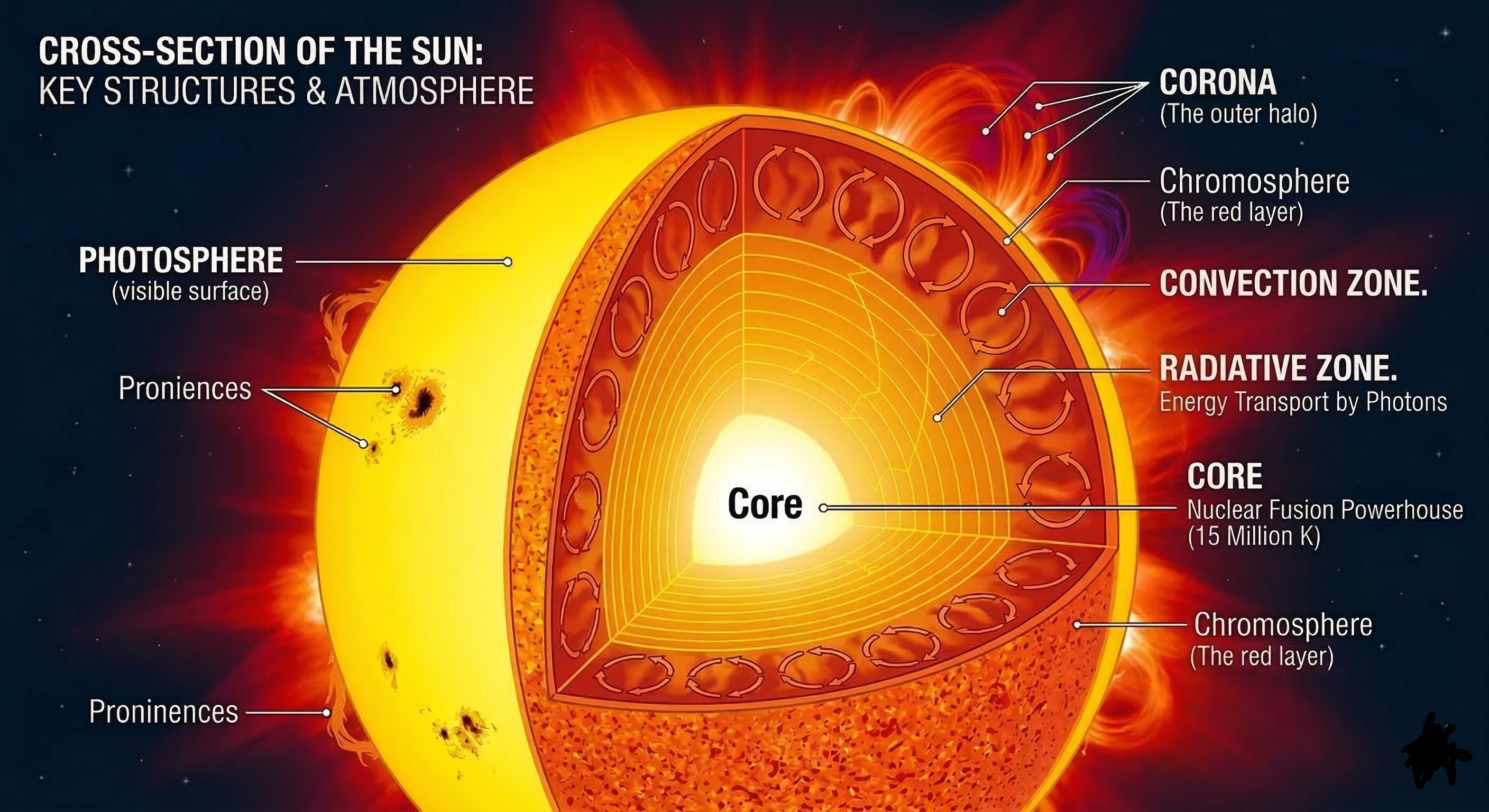
The Engine of Life.
Key Points
- Only star in our Solar System and closest star to Earth.
- Contains 99.8% of the entire mass of our Solar System.
- Its strong gravity holds all eight planets in orbit.
- Drives Earth's weather, water cycle, and photosynthesis.
Olympiad Fact
Sunlight takes about 8 minutes and 20 seconds to reach Earth. After the Sun, the next closest star to Earth is Proxima Centauri (4.24 light-years away).
Inner Planets
The Rocky Terrestrials.
Key Points
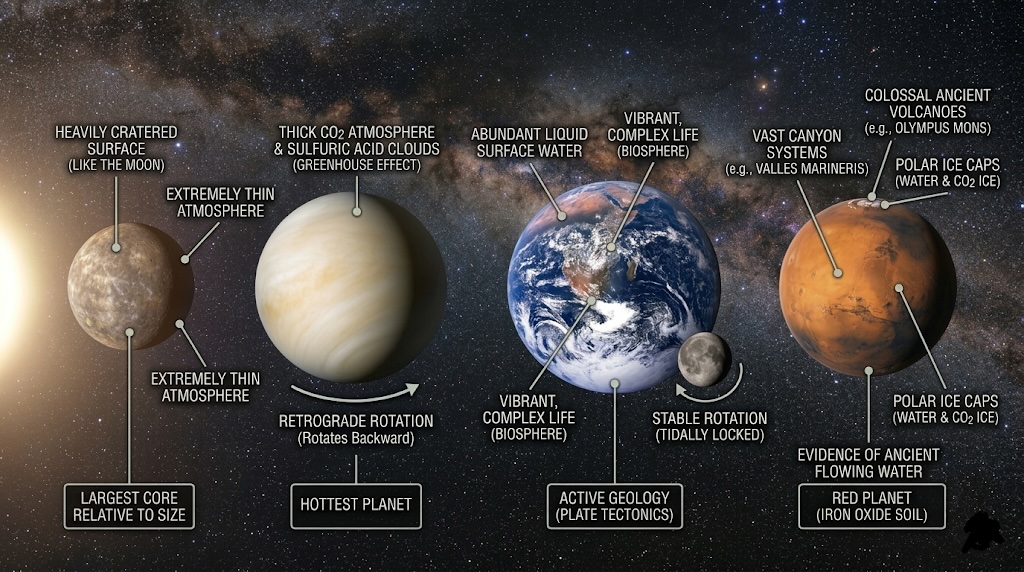
- Mercury (Budha): Smallest planet and closest to the Sun.
- Venus (Shukra): Hottest planet (Morning and Evening Star).
- Earth (Prithvi): The Blue Planet; only world known with life.
- Mars (Mangal): The Red Planet; covered in red iron-oxide dust.
Olympiad Fact
Venus is the hottest planet because its thick carbon dioxide atmosphere traps heat in an extreme greenhouse effect. It also rotates backward (East to West)!
Outer Planets
The Gas Giants.
Key Points
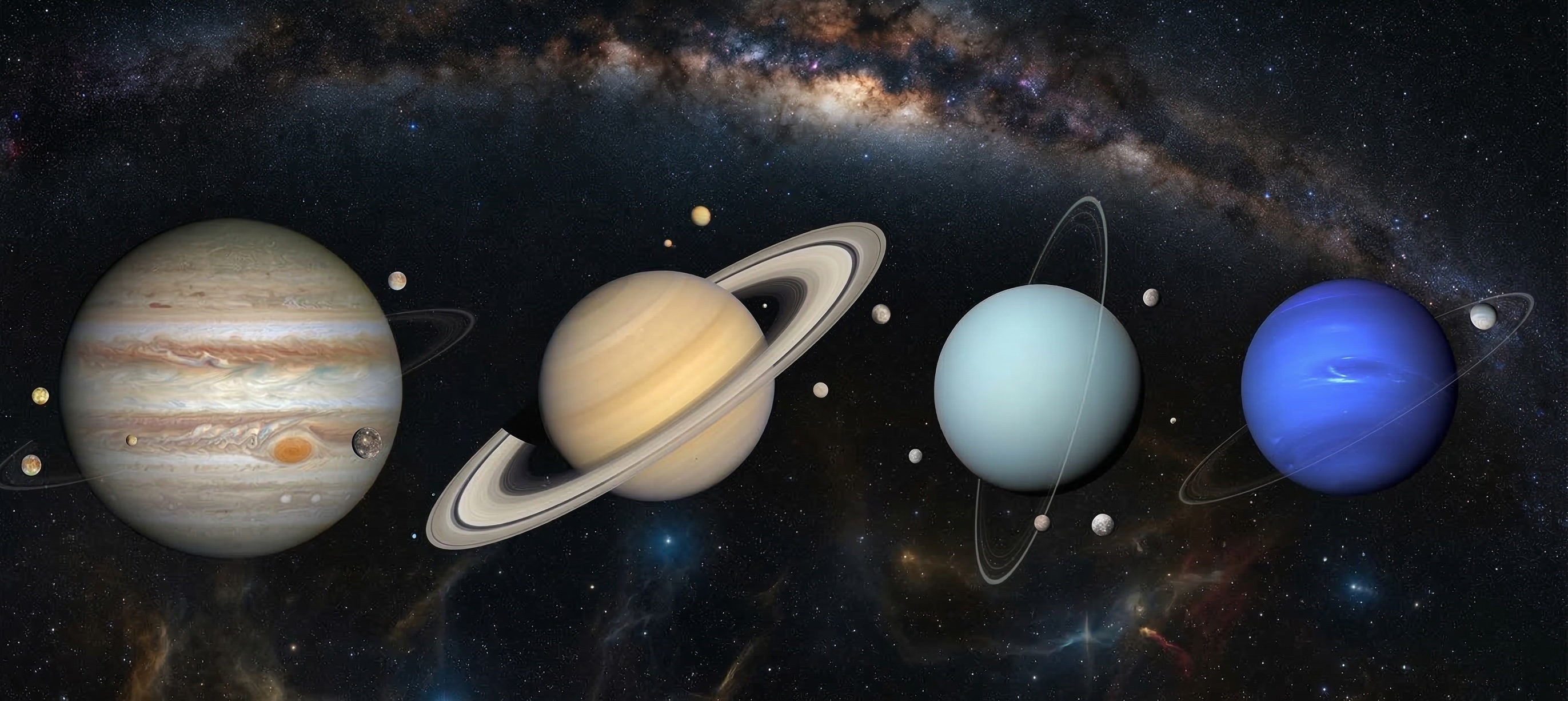
- Jupiter (Brihaspati): Largest planet, famous for Great Red Spot.
- Saturn (Shani): Famous for bright icy rings and most moons.
- Uranus (Arun): Cold Ice Giant that rotates on its side.
- Neptune (Varun): Farthest, coldest, and windiest planet.
Olympiad Fact
Saturn is the only planet less dense than water; it would float if placed in a giant ocean! Uranus and Neptune look blue due to methane gas.
Dwarf Planets
Pluto and Friends.
Key Points
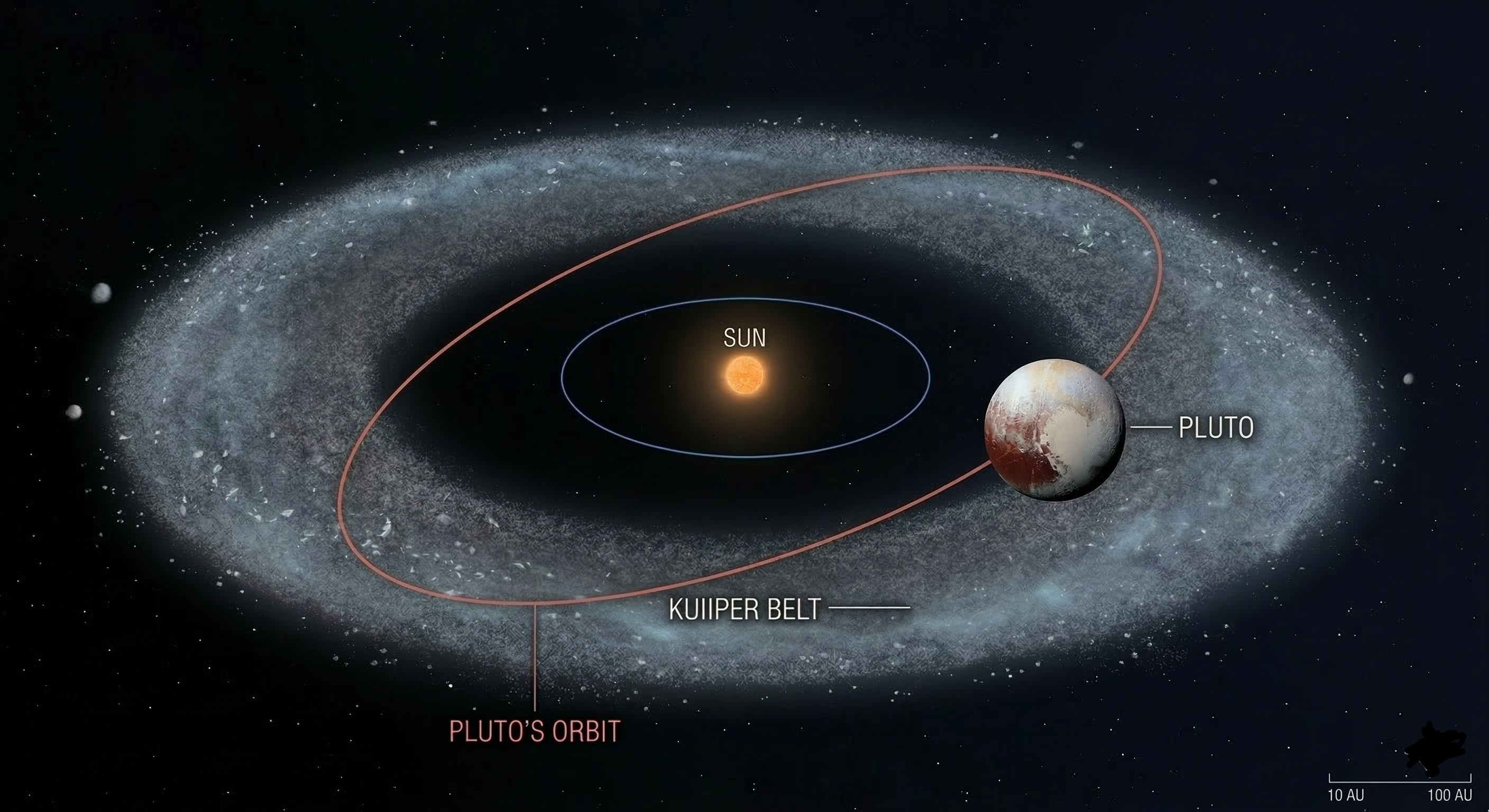
- Five recognized: Pluto, Ceres, Eris, Haumea, and Makemake.
- Much smaller than regular planets—even smaller than our Moon.
- Ceres is the only dwarf planet located in the Asteroid Belt.
- Pluto and Eris are icy worlds in the distant Kuiper Belt.
Olympiad Fact
Pluto was reclassified from the 9th planet to a dwarf planet by the International Astronomical Union (IAU) in 2006.
The Moon
Earth's Silent Companion.
Key Points
- Has no air or liquid water, so sound cannot travel there.
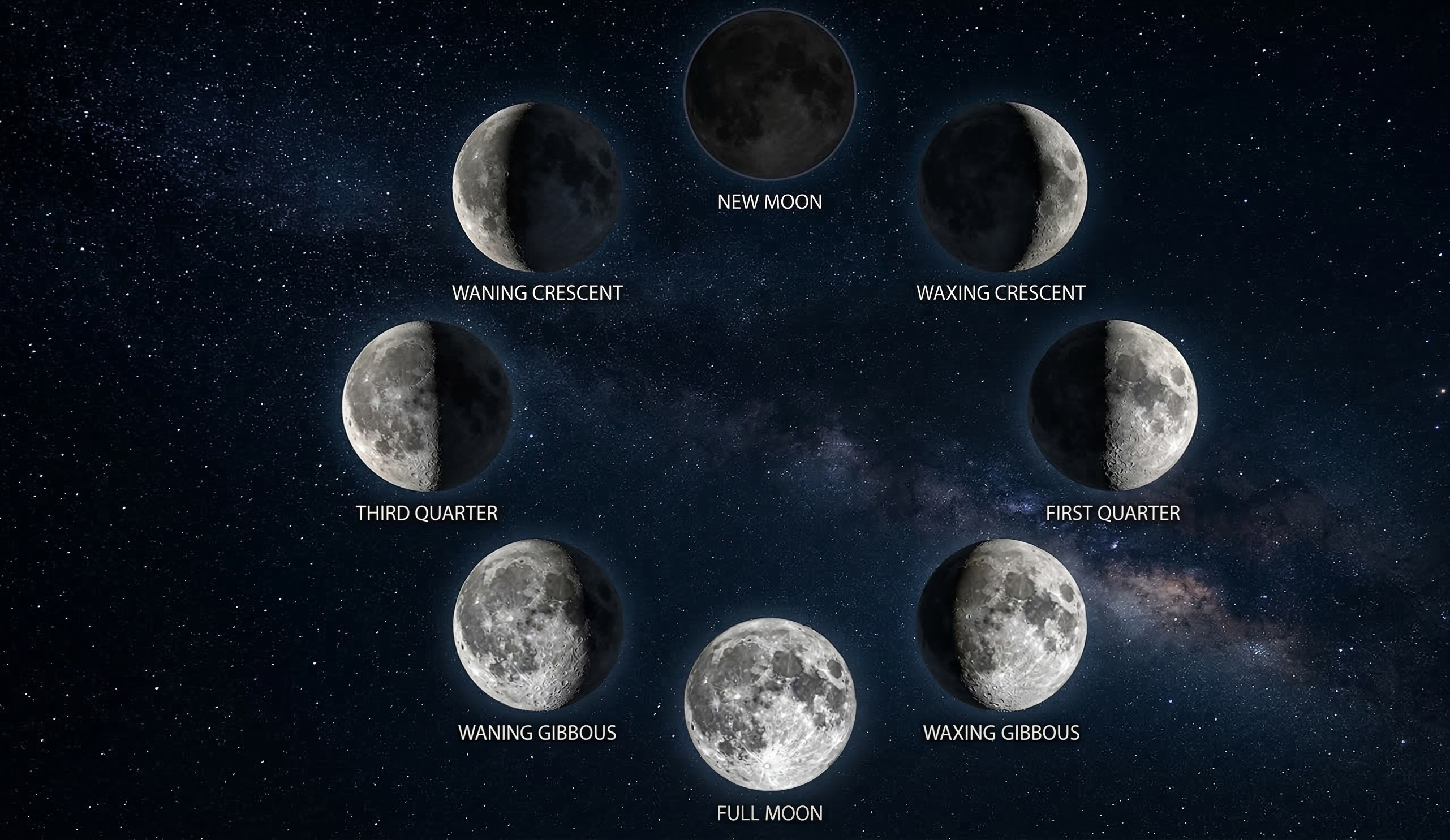
- The same side always faces Earth because of tidal locking.
- Shines by reflecting sunlight; phases repeat every 29.5 days.
- India's Chandrayaan-3 landed near the lunar south pole in 2023.
Olympiad Fact
The dark plains called 'Maria' (Latin for seas) are actually ancient volcanic lava flows that cooled into rock, while craters were formed by meteorite impacts.
Natural Satellites
Moons of the Solar System.
Key Points
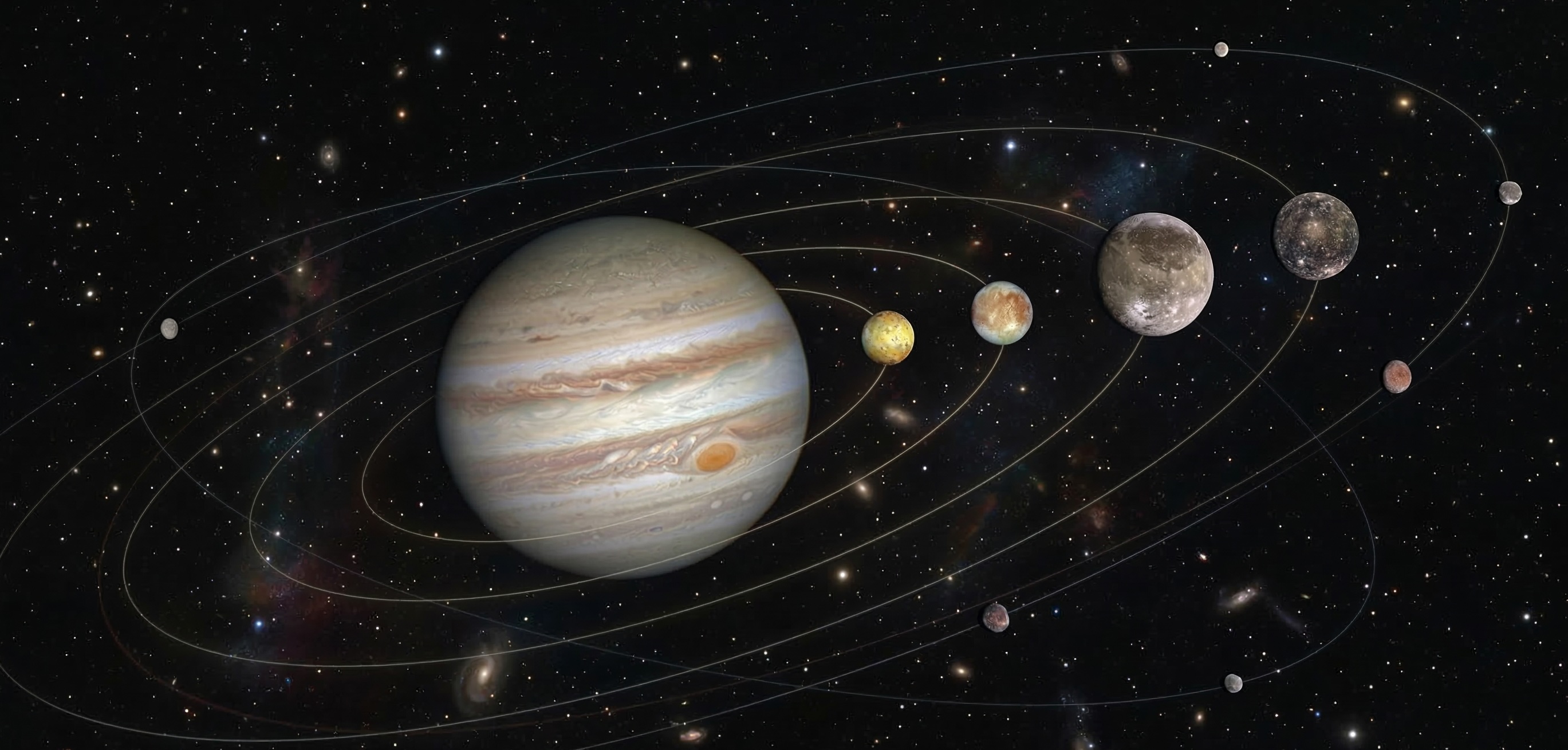
- Mercury and Venus are the only planets with zero moons.
- Earth has 1 moon; Mars has 2 tiny moons (Phobos and Deimos).
- Saturn has the highest number of moons, followed by Jupiter.
- Saturn's moon Titan is the only moon with a thick atmosphere.
Olympiad Fact
Jupiter's moon Ganymede is the largest natural satellite in the Solar System, even larger in size than the planet Mercury!
Asteroids
Space Rocks.
Key Points
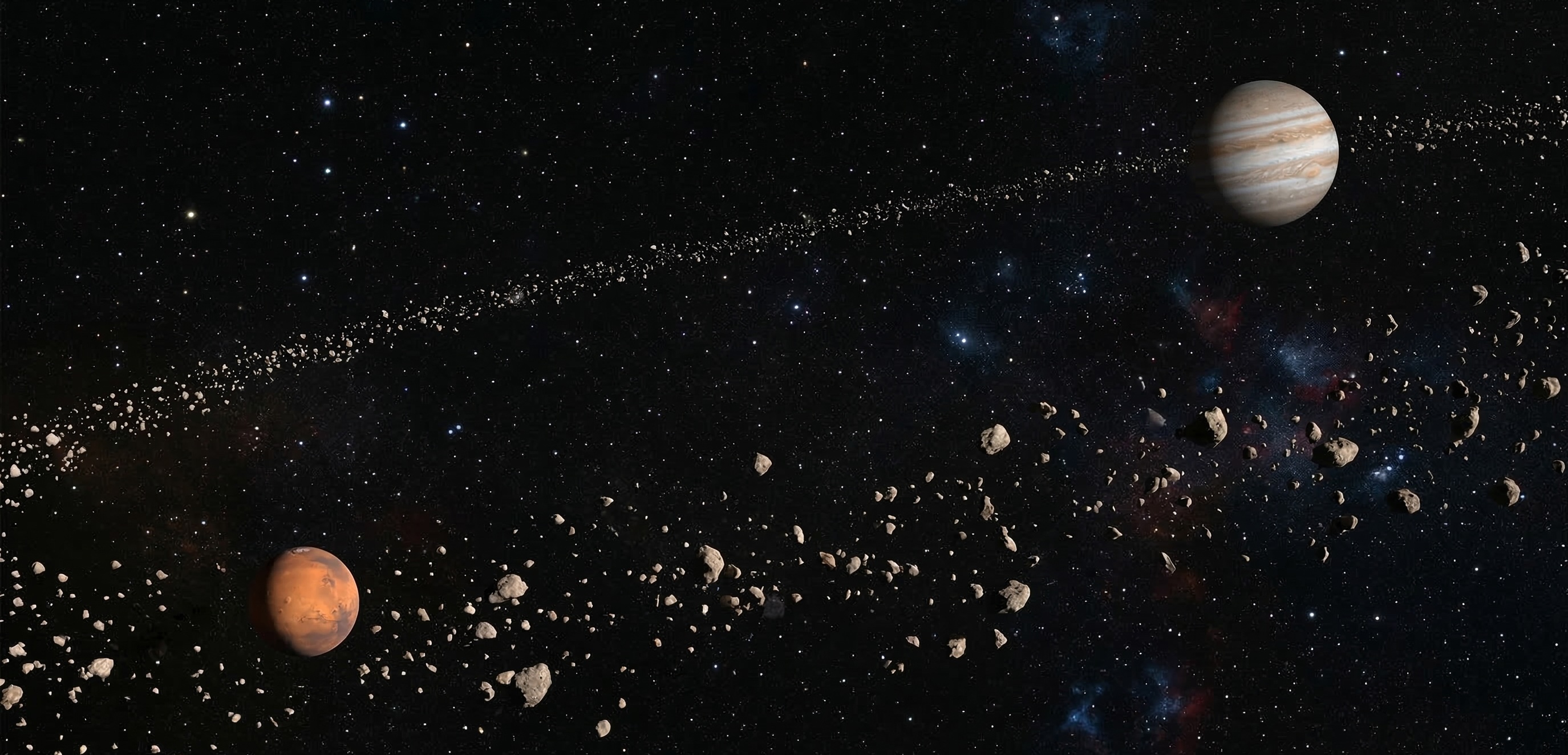
- Have lumpy, irregular shapes due to their weak gravity.
- Airless, rocky surfaces heavily covered in impact craters.
- Vary in size from small boulders to 500 km across (like Vesta).
- Jupiter's strong gravity stopped them from forming a planet.
Olympiad Fact
Some large asteroids (such as Ida, orbited by Dactyl) actually have their own tiny moons orbiting them!
Comets
Dirty Snowballs.
Key Points
- Indian name: Dhumketu (meaning a smoke-bannered or tailed star).
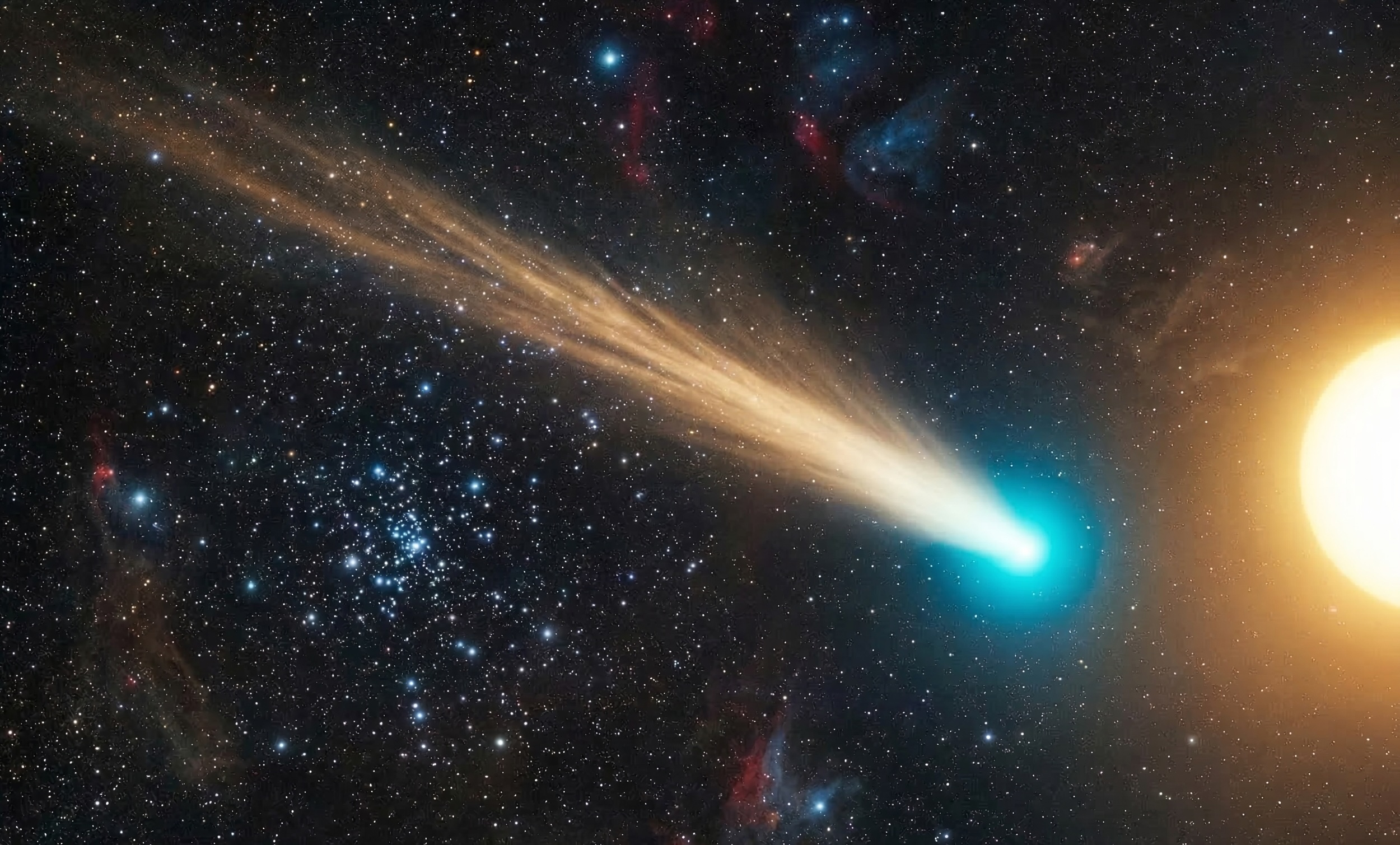
- Come from the frozen outer edges of the Solar System.
- Orbit the Sun in very long, stretched-out elliptical paths.
- Pushed by solar wind, the tail ALWAYS points away from the Sun.
Olympiad Fact
Halley's Comet is a famous periodic comet visible from Earth every 75 to 76 years; it was last seen in 1986 and will return in 2061.
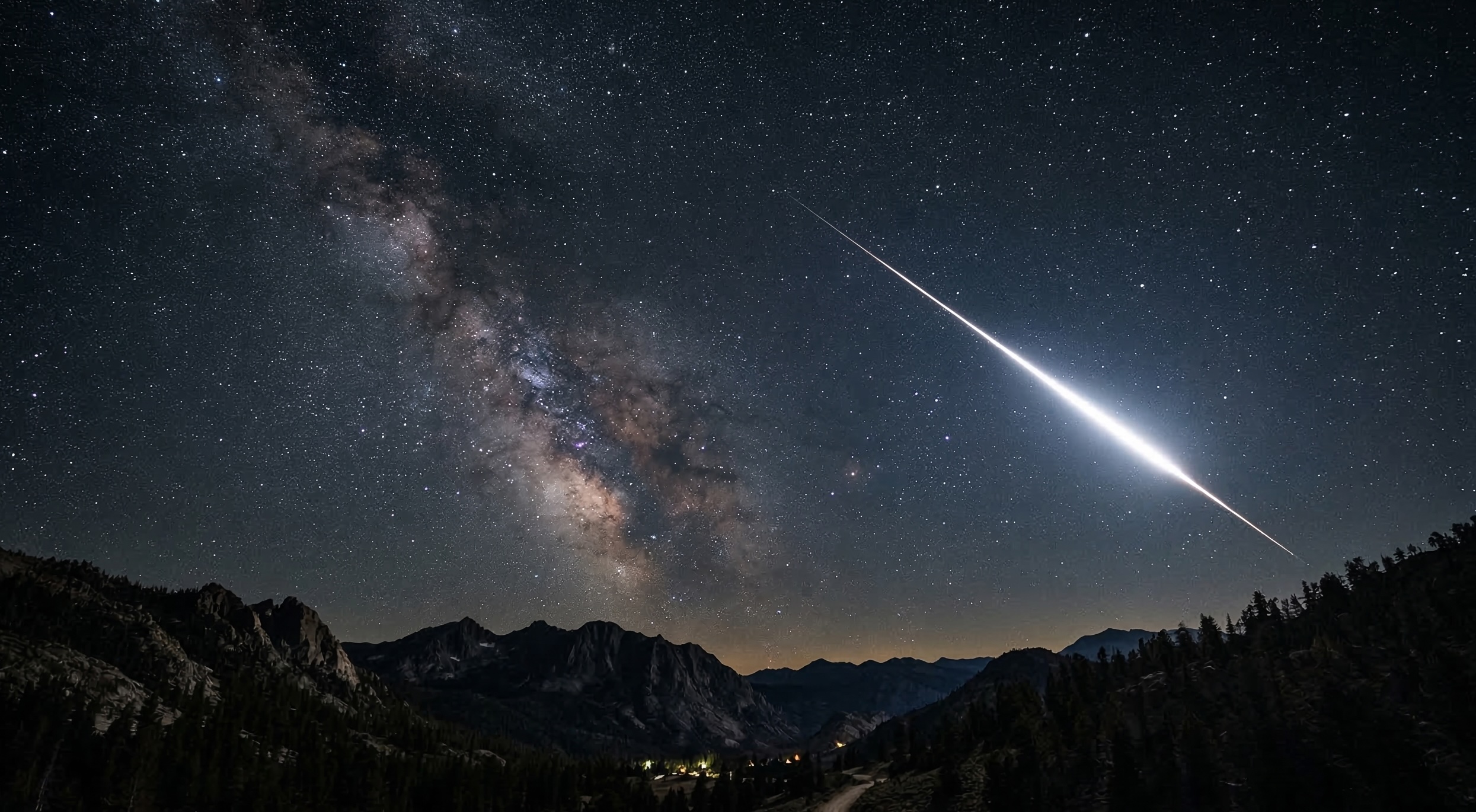
Meteors: Shooting Stars
Flashes in the Night.
Key Points
- Meteoroid: A small rocky or metallic piece floating in space.
- Meteor: A bright streak of light burning up in Earth's air.
- Meteorite: A space rock that survives the fall and hits Earth.
- Maharashtra's Lonar Lake was formed by a meteorite impact.
Olympiad Fact
A 'Meteor Shower' occurs annually when Earth passes through the dusty trail of debris left behind by a passing comet.
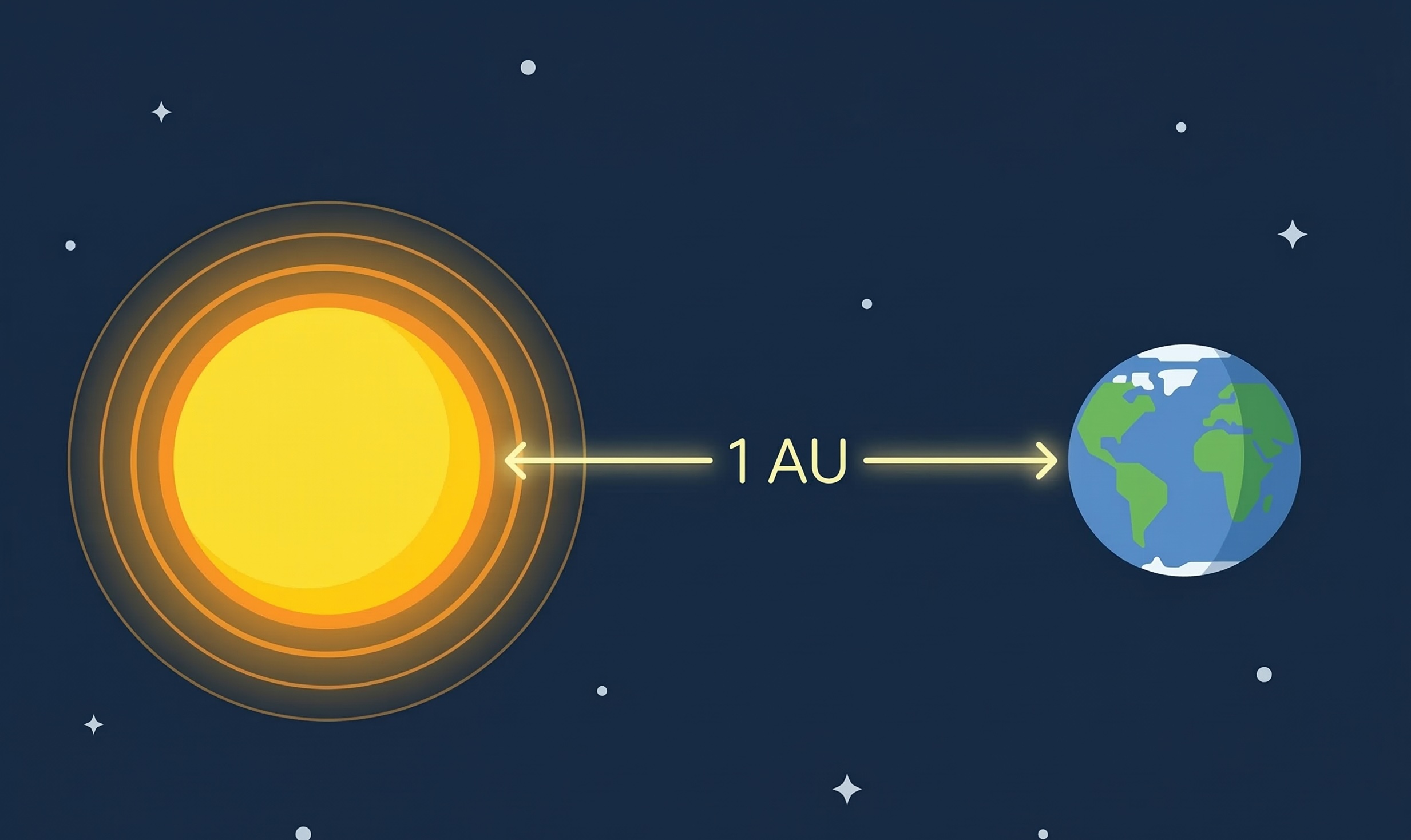
Measuring Space: AU
Interplanetary Yardstick.
Key Points
- 1 Astronomical Unit (AU) is about 150 million kilometers.
- Mercury is at 0.39 AU, Earth at 1 AU, and Jupiter at 5.2 AU.
- Light-Year (~9.46 trillion km) measures distances to stars.
- Both AU and Light-Year are units of distance, not time.
Olympiad Fact
Launched in 1977, NASA's Voyager 1 spacecraft is the farthest human-made object, now over 160 AU away from Earth!
Leap Years
Correcting the Calendar.

Key Points
- A normal year has 365 days, while a Leap Year has 366 days.
- Extra 6 hours each year add up to 1 full day every 4 years.
- The extra day is added to the calendar as February 29.
- Earth's orbit and 23.5° tilted axis cause the seasons.
Olympiad Fact
A century year (divisible by 100) is only a leap year if it is also divisible by 400 (so 2000 was a leap year, but 2100 will not be).